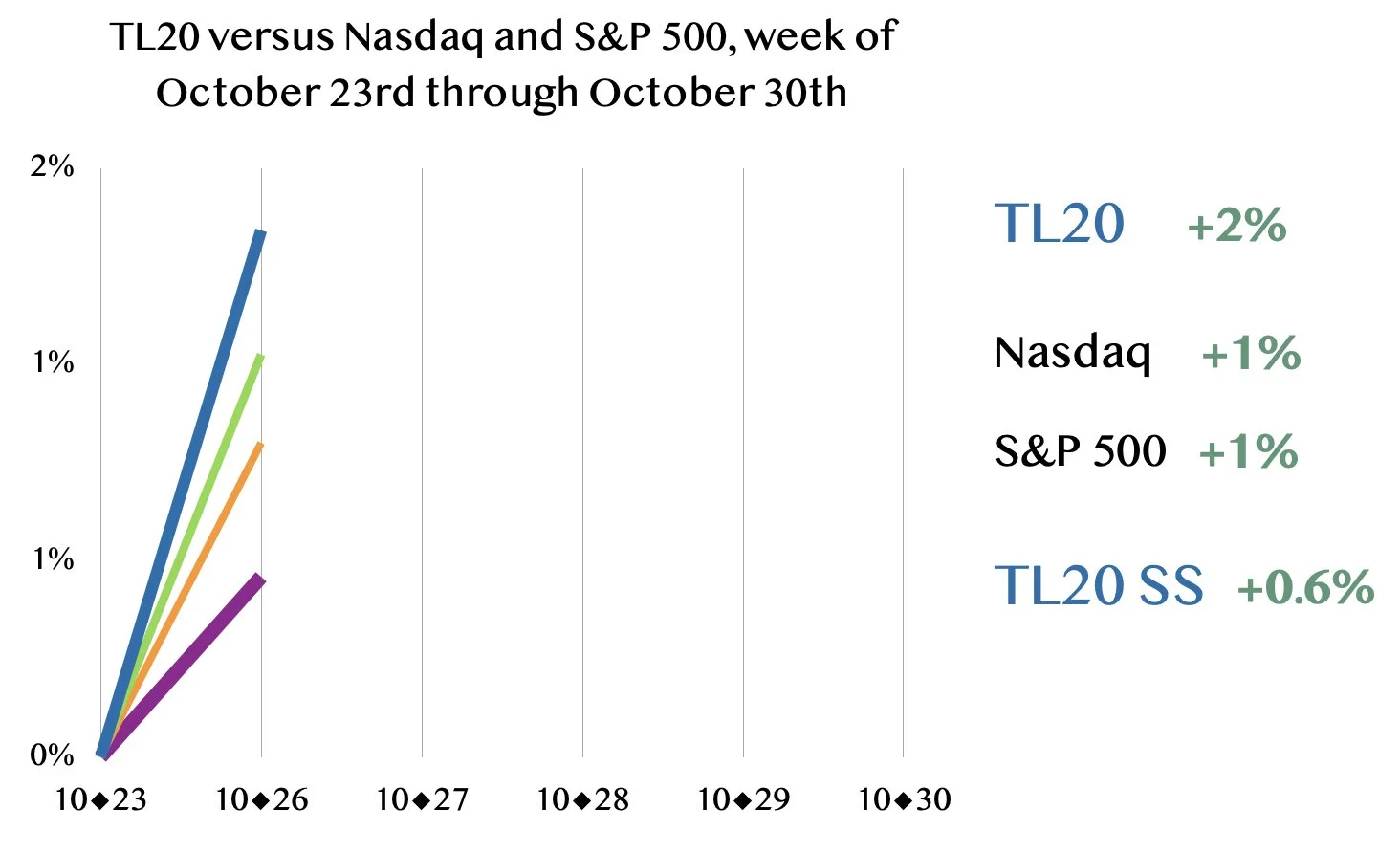
TL20 leads benchmarks
Year to date, the TL20 group of stocks to consider is up 40%, better than the 13% gain of the Nasdaq and the 12% gain of the S&P 500, while the newly formed TL20 SS is down 11% since inception on October 7th. Read about the TL20 and the TL20 SS.
TL is just $1 a week for the first four weeks

(0:37) The only good thing about last week was it was not as terrible as the week before: stocks ended the week of Friday, October 23rd, broadly lower, with the TL20 group of stocks to consider down 2%.
(1:08) I return to the question I posed earlier in the year as regards the AI trade: soft landing or hard landing? Is the data center craze going to slowly deflate like a balloon or are we headed for a much sharper correction? I’m hopeful for the former.
(1:20) The news flow continues to be bad. This weekend, October 24th, Apollo Global, one of several private equity funds that make up now 38% of data center financing in the U.S., according to Jed Dorsheimer of William Blair, published a negative post on its Web site by chief economist Torsten Stok.
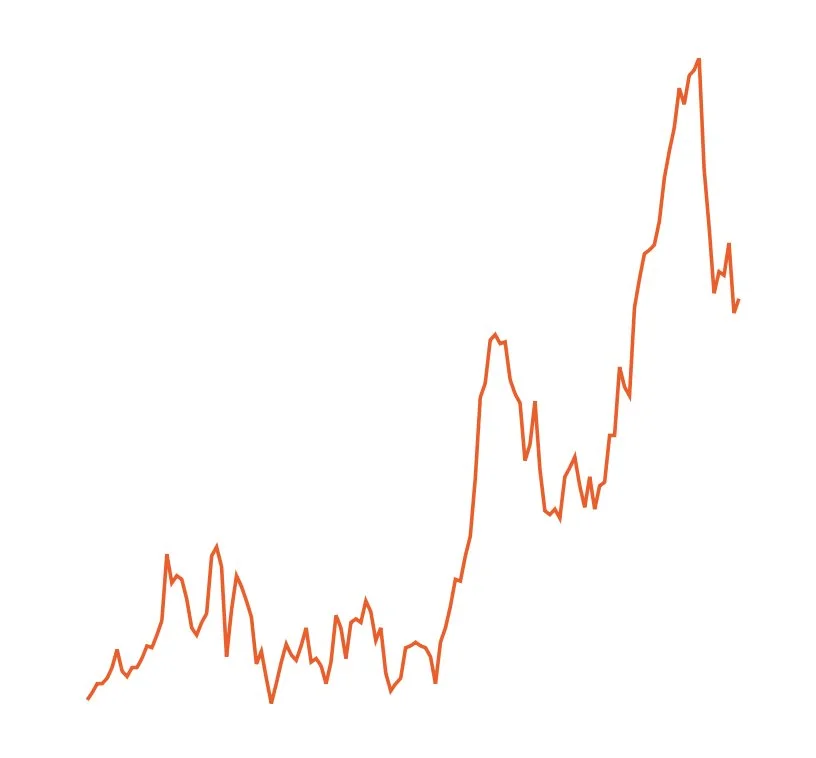
One of the ways to keep a balanced diet when it comes to following technology is to take into account not just the day-to-day fortunes of companies but also the larger changes that transpire over decades.
I had a chance to think a little more broadly in a chat last week with Charlie Giancarlo, CEO of the storage equipment company Everpure, and a board member of Everpure, Andy Brown of the venture capital firm Sand Hill East. We chatted for about forty-five minutes via Zoom, and it was fairly intriguing to me.
The thesis that the two men have laid out in a blog post is that decades of IT practices are going to be up-ended by companies needing to change how they organize the many collections of data that are scattered around corporate networks. The corporate landscape of databases has become a mess, and now the arrival of artificial intelligence “agents” is exacerbating the situation.
Their view of things, if accurate could lead to upside for Everpure’s sales of NAND flash-based storage devices and the special software that runs it. It could also give the stock a higher valuation.
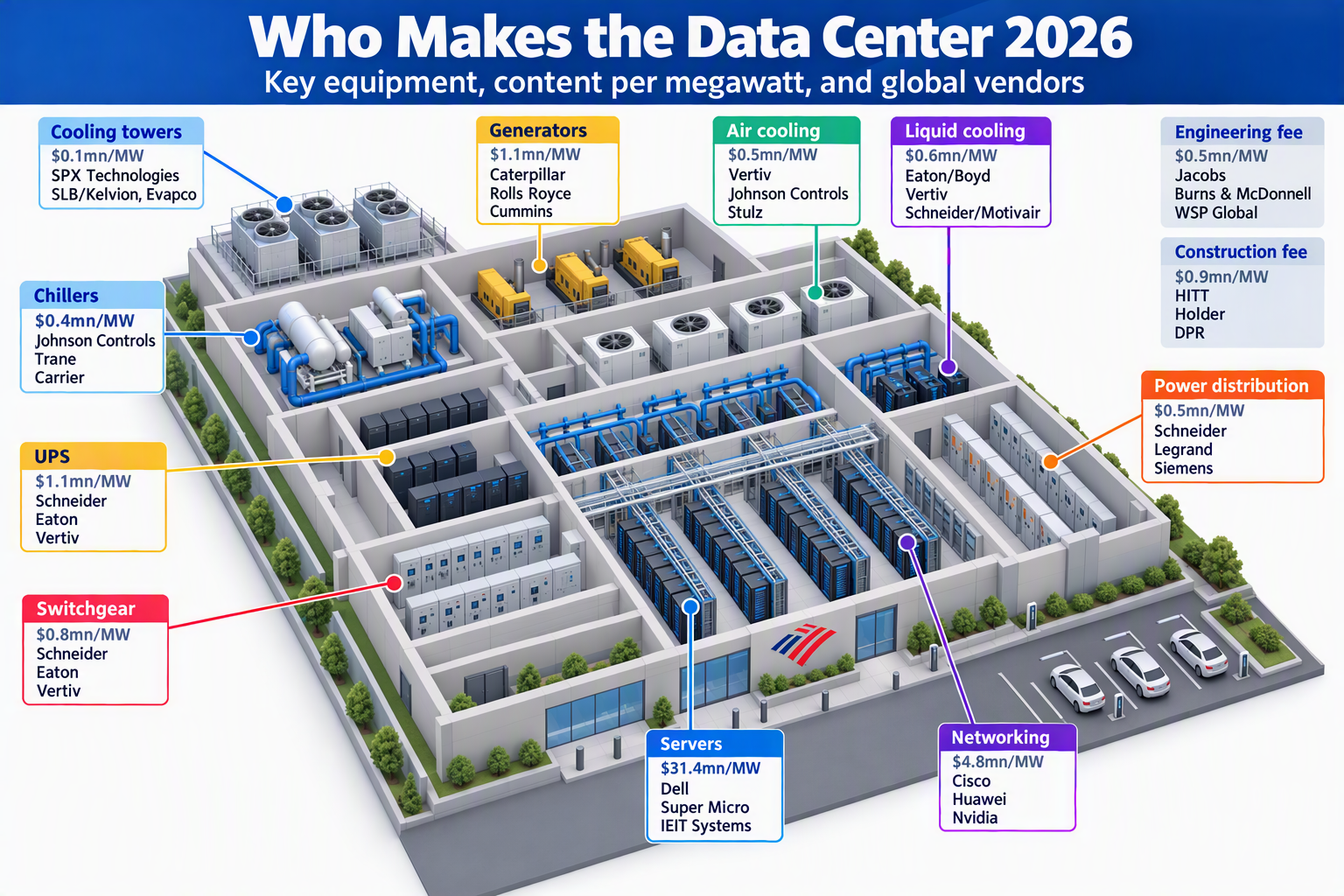
The AI trade is up today, which means it’s time to step back and take a look at what might or might not work.
The most hopeful bit of reflection Friday morning comes from Amit Daryanani of Evercore ISI. Darynani notes that capital spending on data centers is supposed to be $1 trillion this year and $1.4 trillion in 2027, though it could go as high as $2 trillion.
Because there’s been a lot of pessimism of late about the funding, Daryanani set out to analyze where money could come from.
His conclusion is there is “ample potential liquidity” of more than $3 trillion “to sustain the AI infra[structure] capex momentum which should provide durable growth tailwinds for our broader AI infra tied coverage names,” but, he cautions, “concentration limits and risk appetite for AI-tied debt will be items to monitor.”
Daryanani offers the following back-of-the-envelope infographic about those funding sources, including the cash flow of Mega Tech and also debt and equity issuance:

The carnage in the AI-linked names has continued Thursday night as perfectly good quarterly reports from Bloom Energy, and Western Digital were met with sharp declines in late trading that have continued into Friday morning’s pre-market action.
The better business gets, it seems, the more the Street is concerned that it just can’t last.
Both Bloom and Western had fallen hard already during Thursday’s regular session, so it was surprising to see shares so weak following very favorable results. But this is the response to fears of an AI bubble, which is to use any good news as an opportunity to take profit on stocks that are already up quite a bit for the year, as you can see in the table below.
We’re seeing a very lackluster response overnight to several earnings reports this first full week of the earnings season. I chalk it up to high expectations, and stock valuations that are fairly full for many stocks, leaving little room to see share price appreciation.
Wednesday evening was the second report by an Elon Musk company, Tesla, following Tuesday evening’s report by SpaceX, and the two were very different trajectories.
Whereas SpaceX stock closed up 8% on Wednesday, Tesla shares are down 4% in early trading Thursday morning.
The difference is growth: SpaceX has a lot of it at the moment, Tesla has none. SpaceX’s total sales of $14.6 billion more than doubled in the September quarter while Tesla’s $28 billion in sales was flat with the prior-year.
Tesla stock has been a bad stock to own for a while now, down 14% this year and down 12% in twelve months. The three-year annualized return, moreover, is just 22% trailing the S&P 500 24% return.
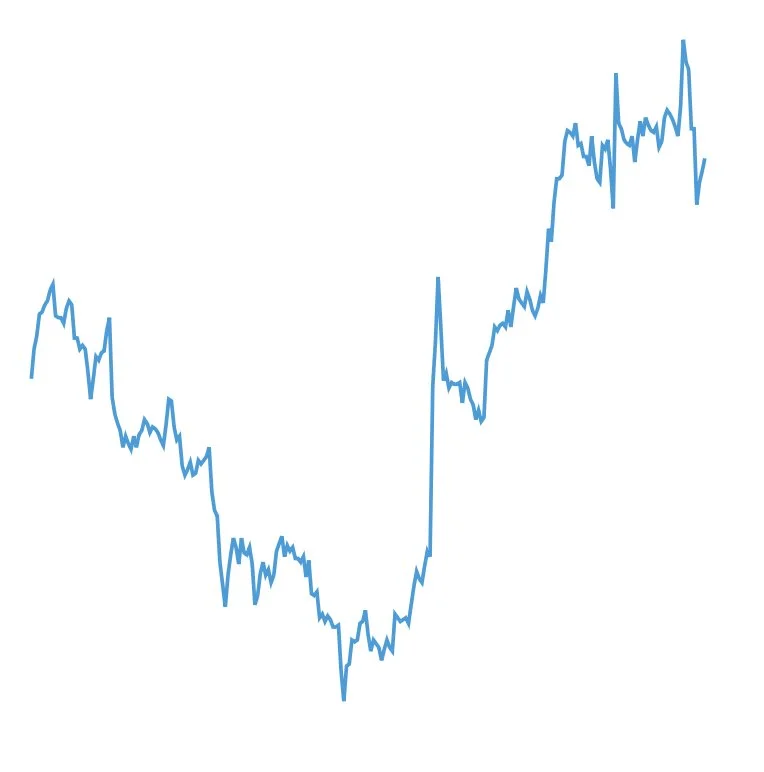
Last Wednesday, I was a guest at a dinner in Midtown Manhattan hosted by software giant Snowflake, one of the TL20 group of stocks to consider, where I had a two-hour conversation with Snowflake executives and several journalists.
The conversation was a nice deep dive into what works and doesn’t work in implementing artificial intelligence inside companies.
Snowflake runs a cloud database software service — SaaS — that makes it possible to sort and sift enormous tables full of business data that would have been virtually impossible to engineer in another era. The company increasingly competes with Oracle and Microsoft and IBM in traditional “transaction processing” as well.
My main takeaway, not surprising, is that Snowflake’s internal use of AI is already helping to lift the company’s revenue and profit. The secondary takeaway is that there are signs of success with its customers’ implementations of AI, though not as bold nor as broadly implemented as at Snowflake.

UPDATE:
Shares of SpaceX have added to gains in the pre-market, now up 9% at $160.85, almost back to their first-day close of the June IPO of $160.95.
CEO Elon Musk on the call made the remark that “I would be surprised if we brought on less than 13 gigawatts of compute by the end of next year,” and that as a result, “in a nutshell, what this implies for SpaceX annual recurring revenue by the end of 2027 is somewhere between $500 billion and $1 trillion.”
That’s well above current consensus for $141.6 billion, and price targets are dutifully rising this morning.

Earlier this month, I met with Jay Chaudhry, co-founder and chairman and CEO of cyber-security titan Zscaler, at the Nasdaq market center in Manhattan where the company held its “analyst day” to present financial targets and corporate strategy.
Overall, the meeting reinforced the sense I had when I placed Zscaler in the newly-created TL20 Special Situations group of stocks to consider, which is that the company has excellent prospects and its shares are undervalued.
At the same meeting, I met face-to-face for the first time with chief financial officer of Zscaler Kevin Rubin. I have interviewed Rubin via Zoom multiple times before when he was CFO of software maker Alteryx, which was bought out in 2024 by private equity firms.
Markets are up Monday morning, probably value hunters digging into some substantial discounts.
As you can see from the following tables, just about everything in both the TL20 and the TL20 Special Situations is down since the October 7th reference day of the recent rebalancing. The only two names that have actually risen in that time are software makers Asana and Dynatrace, which is … interesting. I don’t have a ready explanation other than they were two of the cheaper names.
As you will also see from the tables, just about everything is discounted relative to what its valuation multiples were two weeks ago. The average forward price-to-sales for the TL20 has dropped from 9 times the next twelve months’ projected sales to 8 times. The forward P/E for the TL20 is down from 42 times to 35 times.

Friday, after an eventful week in which stocks linked to the artificial intelligence trade crashed hard, I was fortunate enough to meet via Zoom with the CEO of one of the most promising AI companies, DigitalOcean, a company whose stock I added to the TL20 group of stocks to consider the week prior.
It was a terrible few days for the AI trade, precipitated by both worries about revenue from “frontier” AI labs such as Anthropic, and worries about the massive debt burden of AI service providers such as CoreWeave.
DigitalOcean shares closed the week at $98.69, down 22% since the October 7th reference date used in the rebalancing.
In our Zoom chat, I asked CEO Paddy Srinivasan if anything has changed with his business in the past week to cause such damage.
“Yes, a lot has changed in a week: We made the case that we are a software company; we are not a GPU rental business, and we are not going to be extraordinarily leveraged like some of the other companies that precipitated this,” he says.

Greetings from Bloomberg headquarters in New York where I am attending the BB event, “AI in Finance Summit.” It’s an upbeat crowd gathered here for AI, and you’d never know that the entire AI trade is falling apart today yet again…
The bloodbath has prompted some soul searching as regards the AI trade.
Another day, another bout of perfectly good financial news for the AI trade overshadowed by fear.
Chip equipment giant ASML reported excellent quarterly results Wednesday morning but is selling down by two points at $1,675, declining with the rest of the AI linked names, including most of the TL20 group of stocks to consider.
The results were excellent. Although sales in the September quarter came in slightly below expectations, €11.7 billion versus €11.74 billion, the company’s outlook for this quarter’s revenue is higher by half a billion dollars, 4% upside, and the company raised its outlook for the year’s revenue above consensus.
More important, ASML management said they are sold out through 2028 and that customers are asking to place orders for 2029 “and even 2030.” Business is terrific, in other words, the only limiting factor being how much demand the company can satisfy at the moment — the age of scarcity, as I noted in last week’s rebalancing of the TL20.
Monday’s views on stocks have a lot to do with prices, in different ways.
First, the bad part.
Shares of Apple are up 8% since the company unveiled it’s iPhone 18 and also it’s first ever foldable iPhone, the “Duo,” on September 9th. That stock performance reflects what has been a generally positive sentiment on the Street about the demand for the devices.
But, as is often the case with a new iPhone, there are rumors Apple has instructed its manufacturing partners to reduce production level versus original expectations — specifically, an article Friday by wire service Nikkei Asia’s Lauly Li and Cheng Ting-Fang that caused some pressure on Apple stock on Friday. The article states right at the top that the high price of the iPhone 18 “Pro” was to blame for its reception among consumers being “cooler than expected.”
(0:05) The delay in the Podcast is the result of spending a lot of time knee-deep in tech stocks for the eighth rebalancing of the TL20 group of stocks to consider.
(0:48) The group is up 548% since inception in July of 2022 through this Friday, October 9th. That’s well above the 139% of the Nasdaq and the return of all relevant benchmarks.
The eighth rebalancing of the TL20 group of stocks to consider continues to track a broad semiconductor renaissance, the best of times for chip makers — but also a time filled with uncertainty over massive spending plans for AI infrastructure. Seven names are out, seven are in.
The TL20 Special Situations is an eclectic mix of companies with astronomical potential, sometimes beaten down valuations, and sometimes prospects years out in the future.
I plan to track the TL20 SS on a daily basis just like the main TL20. At the very least, it’s food for thought.
Later today, I’ll be posting the TL20’s eighth rebalancing, filled with insights on where we find the tech market at this stage. Stand by.
And, in addition, something new…◆

Software maker Dynatrace on Thursday formally completed the acquisition of six-year-old AI startup Arize of San Francisco, and Dynatrace’s CEO, Rick McConnell, was kind enough to chat with me for a few minutes about the deal.
Dynatrace makes tools in the “DevOps” and “Observability” categories of software that help IT to monitor and remedy issues when software is running in production, such as wether an application is live or has gone down. Arize sells tools to software developers who write the code, long before it goes live, to let the developers run “evaluations” that tell if the output of an artificial intelligence model is erroneous or off-topic or some other bad thing.
These two worlds are colliding, says McConnell. Increasingly, IT people need to coordinate with developers in an ongoing fashion in order to determine not just whether a program is running okay in the basic sense that it’s live, but also whether it’s running correctly, in the sense of not serving up erroneous AI answers.
“AI is forcing companies to address a broader array of questions and issues than they've ever had to address before,” says McConnell. Historically, the questions of applications were simple ones such as, Is it up and running? Can you get money successfully from the ATM machine?
Shares of Progress Software, makers of tools to connect software to a company’s data sources, are down about 6% Thursday following a Wednesday evening third-quarter earnings report that was well-received generally but for the blemish of a lower forecast for profit.
The profit forecast is somewhat diminished because Progress just closed the $400 million acquisition of Domo, a publicly-traded, sixteen-year old maker of “middleware” software that is complementary to what Progress does.
They didn’t buy the whole company, they bought the assets, and they are bringing over most of the employees and the customers. Founder Josh James, who previously founded and sold measurement company Omniture to Adobe, is taking the money to build his next venture, which for the moment is called Huckleberry dot AI and will trade under the ticker “HUCK.”
What’s more interesting to me is how the Domo business may change the nature of Progress’s business.
My concern for semiconductor companies such as Nvidia, Advanced Micro Devices, Micron Technology and others, for a long time now, has been that promised spending on semiconductors for artificial intelligence data centers may never materialize as expected. The numbers are fantastically large, and they depend on financing and things such as power generation falling into place, none of which is assured.
An upbeat report on Wednesday from Merrill Lynch chip analyst Vivek Arya reaffirms both my optimism about the chip companies and my concern about the whole spending matter. I don’t think it’s time to dump Chip stocks, but I do think it’s important to be very aware of the risks here.
I’ll come to the chip stocks in a moment but first let me explain what Merrill Lynch has found.
After having beaten expectations for profit and revenue by double digits for two quarters in a row, it was only natural that Micron Technology would see a rather muted reaction to Wednesday evening’s fiscal fourth-quarter report, which delivered revenue merely 6% ahead of consensus. Hence, the shares are down in early trading by 1% at $1,052.50.
The average investor has seen the headlines of spiking prices for DRAM and NAND flash chips all year long, and they know that it has to run its course at some point. And so, a lot of money has gotten up and walked away from Micron after a 273% gain the stock this year.
The stock price has merely tracked the market in the past three months, rising 3%.
The fundamental circumstances, however, have gotten better for Micron and its industry than they were three months ago.
Price targets are once again rising. The average is now $1,600, up from $1,400 back then. Price targets are creeping above $2,000 to $2,100, $2,200.
And the real question for discussion moving forward may be what to do with the enormous balance sheet that will approach $100 billion in cash sometime this quarter.
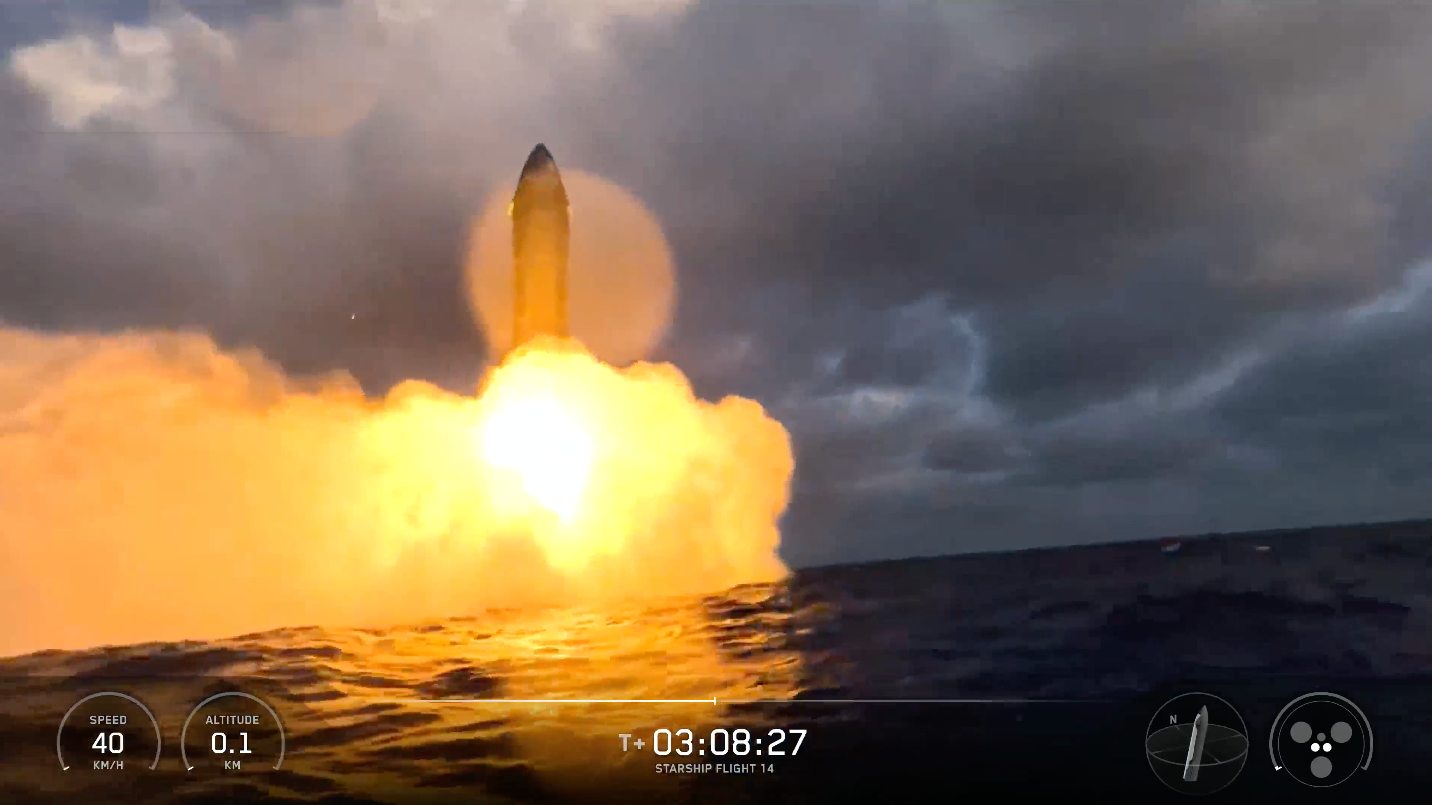
It’s been a busy twenty-four hours for analysts covering SpaceX stock as the company on Monday live-streamed the first successful launch into orbit of its “Starship” rocket, and CEO Elon Musk gave an update about the company’s plans to build out lots of computing capacity.
Starship is the thing that fascinated analysts, but the meat-and-potatoes of their financial forecasts are all about the timeline of AI compute.
THEY LIKED THE ROCKET
Allow me to explain. The response to the Starship Launch 14 as it’s called, on Monday, was favorable because getting Starship into orbit is a major validation of the technology of this newest generation of rocket, and Starship’s significance will ultimately be to carry a lot more satellite payloads into space. (You can relive the drama of Launch 14 in the posted video of nearly four hours.)
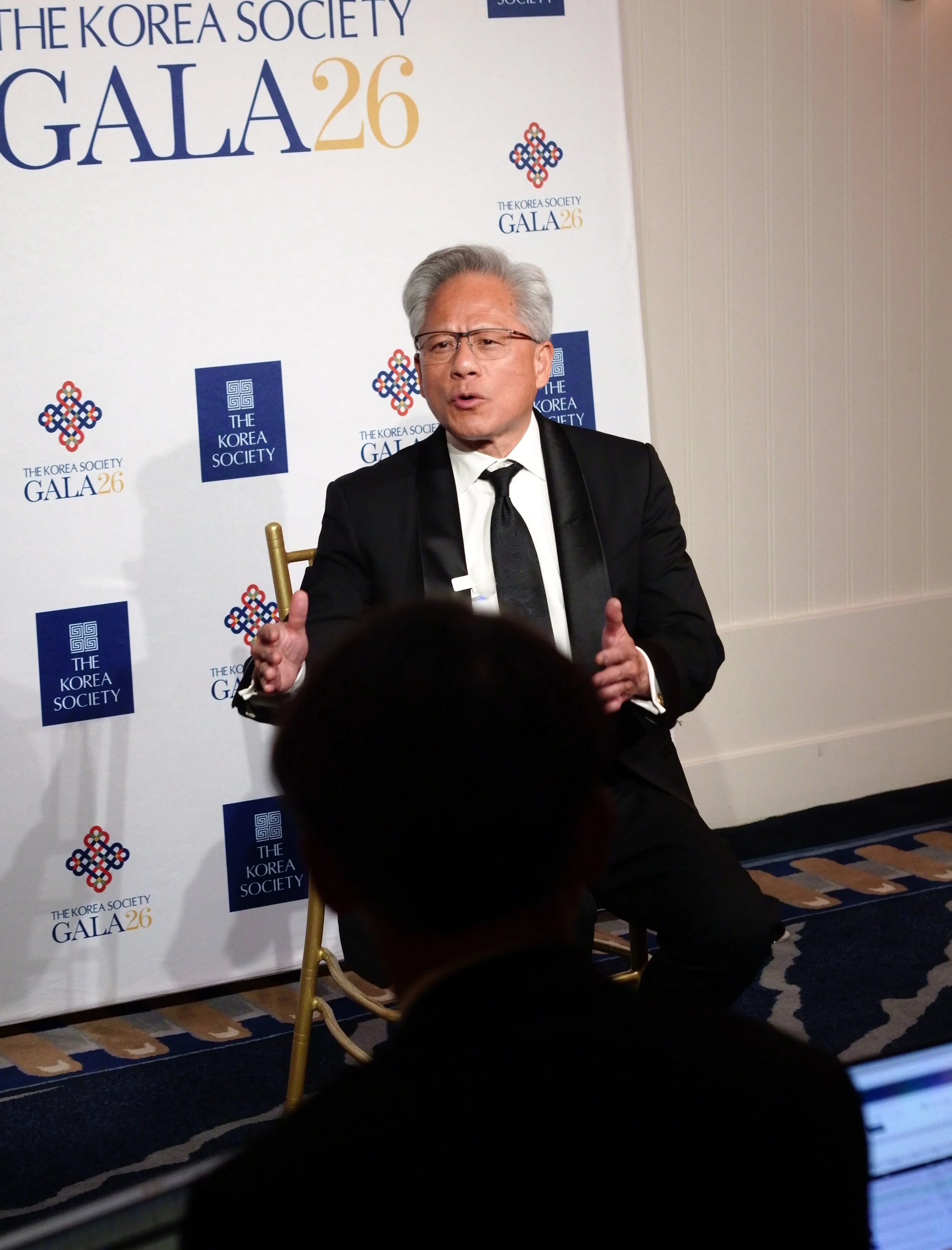
Monday evening, after a busy day in which Jensen Huang’s Nvidia had announced a massive increase in its buyback authorization and also a security initiative for artificial intelligence, Huang was honored at an event in lower Manhattan held by the Korea Society. I was among a group of journalists at the event who took part in a press Q&A backstage.
When it came time to answer questions backstage during the Q&A, Huang didn’t have anything of great substance to offer. Over the years I’ve been watching him, he is both resolutely positive on any issue, and also resolutely a salesperson for his company’s chips. The world increasingly wants Huang to be a deep thinking about the AI wave he is leading, but that’s really not his forte.
Nvidia, which has lately been dogged by the “doomerism” about artificial intelligence, chose two methods on Monday to reassure everyone: Talk up security and give everyone a bunch more money!
The company issued a press release regarding an “Open Agent Safety Platform,” including some software to control agentic AI tasks, but it’s probably the separate announcement of an additional share repurchase authorization of $150 billion that is lifting the stock today by a couple points to $230.03 while many other AI-linked names trade down.
ere’s the catch for Intel and AMD: Although Nvidia mentions that OpenShell, being open-source software, can run on Intel processors, and those from ARM Holding, the release mentions first Nvidia’s own CPUs, Vera.
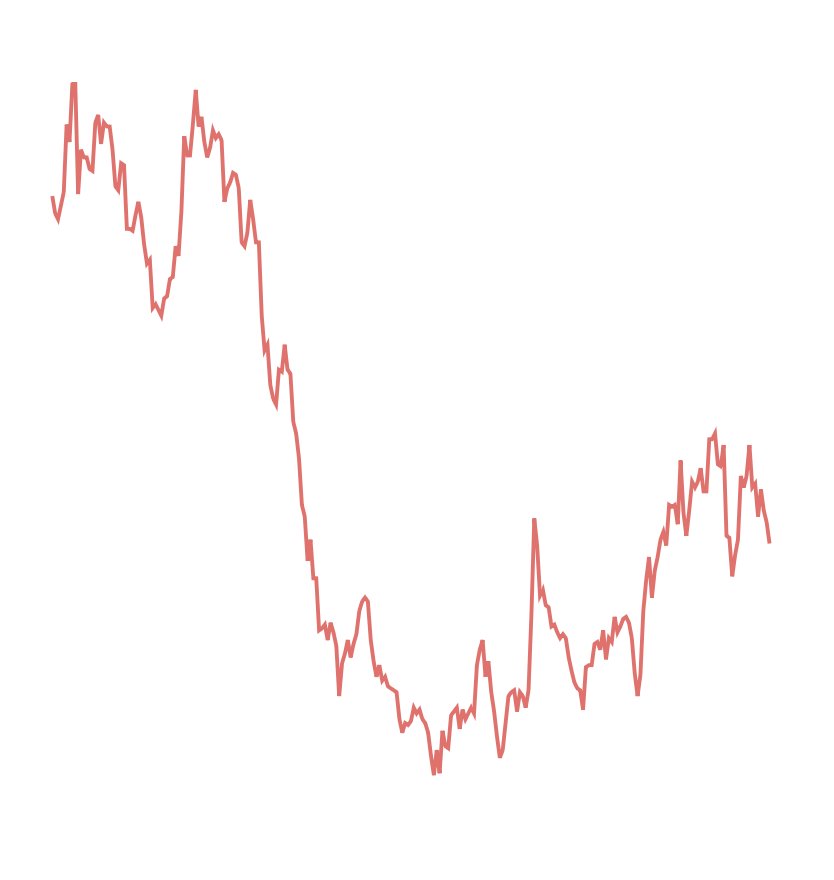
After a brutal few years for software investors, the group returned to favor in the past ninety days or so, with numerous software vendors articulating how they will survive and even thrive in an era of AI.
It started with a revival for cyber-security firms such as Palo Alto Networks and Cloudflare; tools vendors such as DigitalOcean and JFrog; and, now, some of the makers of conventional application software, programs used by a person to do a job, have found their groove, demonstrating newfound relevance.
I met earlier this month with one such application vendor, Asana, an eighteen-year-old maker of scheduling and workgroup software based in San Francisco. The stock struggled for most of this year, down 34%, but the past three months have seen a 26% jump, to a recent $8.79, as investors have taken interest in the way the company is rolling out new AI-based products.
Next month, on October 14th in New York, Asana will host a customer conference to discuss several of the new offerings, including something ambitious called “Dash” that aims to be a kind of overlord of all the AI agents.
The big bet being placed by Rogers is that he can shift the company from charging only on a per-seat basis to use his software to what is known as a hybrid model, where some costs are incurred by the customer only when the outcome of an AI agent is satisfactory.
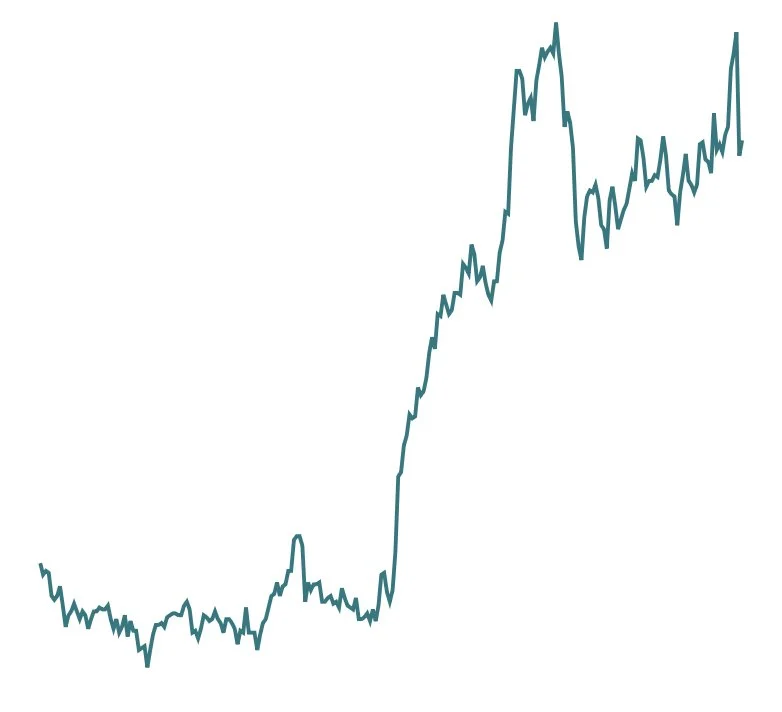
This past Thursday afternoon, September 24th, I had the pleasure of chatting with Patrick Zammit, chief executive of the world’s largest electronics distributor, TD Synnex, following his company’s fiscal third-quarter results in the morning.
What I most wanted from Zammit was an update on how his company is doing implementing artificial intelligence internally.
It turns out he may have come up with a recipe that actually works and can bring advantage to the business.
TD Synnex’s job is to connect giant vendors of technology such as Dell to resellers of that technology who will implement it for the end customer such as a corporation that needs PCs. That’s eighty percent of the business; the other fifth of the business is what’s called Hyve Solutions, where the company assembles racks of equipment for the cloud computing giants.
When I first talked with Zammit, in June, he was focusing on getting all his employees to be literate in AI, to understand the technology and be comfortable starting to use it. He told me then that he expected it would take a lot longer for AI to automate the various processes that go on inside TD Synnex.
This time around, Zammit had a surprise for me.
“For workflow optimization, the team is moving faster than I would have expected,” he tells me. “They’re already starting to look at processes end to end.”
I’ve never used an Oura ring, the electronic health and wellness finger band, but I’ve met people who swear by it. It has lots of sensors on the inner edge of the ring that monitor things such as how you’ve slept and your heart rate. Some customers featured by the company testify to the ring having saved their lives by, for example, sending them to a doctor when low heart rate was detected.
Now, Oura, a thirteen-year-old company originally founded in Finland and now based in San Francisco, is going public, aiming to raise half a billion dollars. Given the devotion I have heard people express, I was surprised to learn in its prospectus for the IPO that the “retention,” the number of those who pay $5.99 for a membership, versus those who leave, averaged over twelve months, is 87%. (Membership lets you get analysis of the data collected by your ring to form a larger health profile of yourself. The company says, vaguely, it uses AI to shape analysis of the data.)
An 87% retention rate means that 13% of people who sign up to pay $5.99 for membership churn away over twelve months. That’s a fairly high rate of churn for a subscription business. Most software-as-a-services businesses have a retention rate on the order of 97% or so; even The Technology Letter manages about 97%. That low rate of retention includes cases where Oura is able to get someone to come back to the product after they quit, known as a “winback.” The real rate of churn is presumably therefore something higher.
I dropped shares of Everpure (formerly Pure Storage) from the TL20 group of stocks to consider in March, and what a mistake: the stock is up 110% since then, better than fourteen of the twenty names, including a jump Thursday of 18% to $129.92, following an upbeat “analyst day” presentation to the analysts covering the company.
How could I have been so wrong?
When I rebalanced in March, the stock at the time of that rebalancing was down 8% for the year, and it had merely tracked the Nasdaq in the preceding twelve months. I concluded that the stock couldn’t work because investors would only appreciate Everpure if they won a second deal with a cloud giant on top of their existing deal with Meta Platforms.
Shares of “connectivity” specialist Amphenol are down half a point Wednesday at $82.44 despite a favorable initiation of coverage by Bernstein analyst Varun Govindaraj, who assigned an Outperform rating and a $99 price target. Amphenol is one of the TL20 group of stocks to consider, having been added with the year-ago rebalancing. The stock is up 51% since then.
Govindaraj has two main points: the stock is expensive but justifiably so, and, two, the company will be just fine even though investors are worried about whether its electrical products will be made obsolete by fiber-optic-based connections.
I think he makes a decent case on both counts.
Elsewhere in data centers, UBS analyst Karl Keirstead Wednesday makes a vigorous defense of CoreWeave, the neocloud data center operator, assigning a Buy rating and a $120 price target, which would be a pretty decent return from a recent price of $87.73.
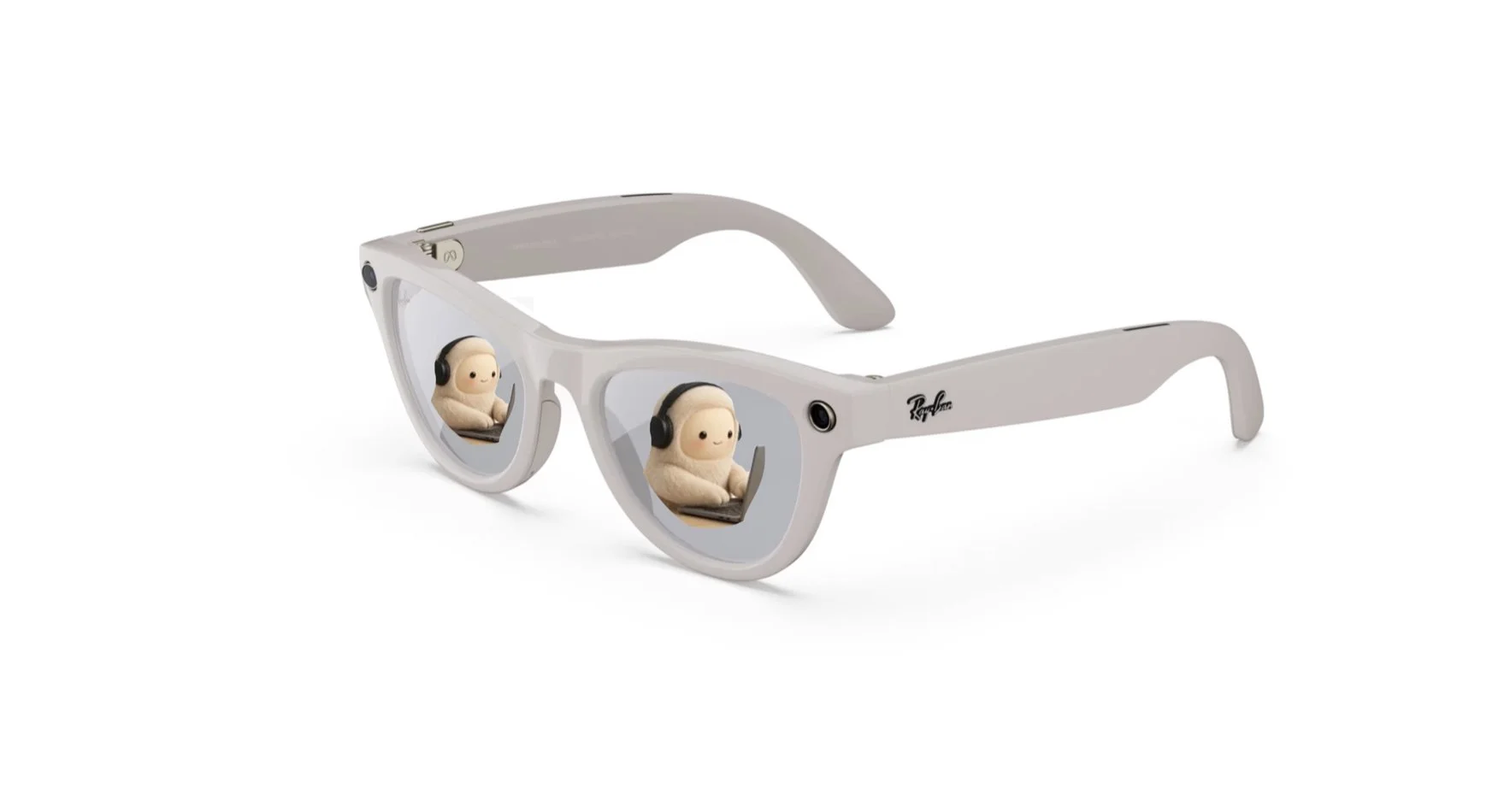
The past twenty-four hours have seen a steady stream of intense interest in a new app from Meta Platforms, called “Muse,” with many predict epic payoff for the entire technology industry.
Muse was first unveiled two weeks ago, and, at the time, I noted that the early response from stock analysts was very favorable, and that the expectation was that Muse is among a bevy of “personal AI” things that will become a solid trend in tech going forward. These kinds of apps will take on tasks for a user such as navigating to a Web site automatically and placing an order. (Think of personal shoppers, etc.)
The fervor has now reached escape velocity since Muse was identified in the past week as the most popular free download from Apple’s App Store.
WHAT IT MEANS FOR META
First priority is assessing the impact for Meta, and the enthusiasm among Meta stock analysts is growing by the day.
After AI giant Anthropic last month circulated among investors a filing for an initial public offering, on Monday the company formally filed its first draft for IPO with the U.S. Securities & Exchange Commission.
The central question that comes out of it, no surprise, is whether the company is planning to spend in a rational way or simply blowing a lot of money in a hurry.
The deal, lead by Goldman Sachs and Morgan Stanley, proposes for Anthropic to trade on Nasdaq under the symbol “ANT.” No price has been set yet for the shares.
There are a lot of other things we don’t know yet because the company has left some serious holes in the document. But there’s enough here to give me pause.
The business is at $16.3 billion in revenue in the first six months of this year — the company has declined in this draft to say what they made in the three months through September.